
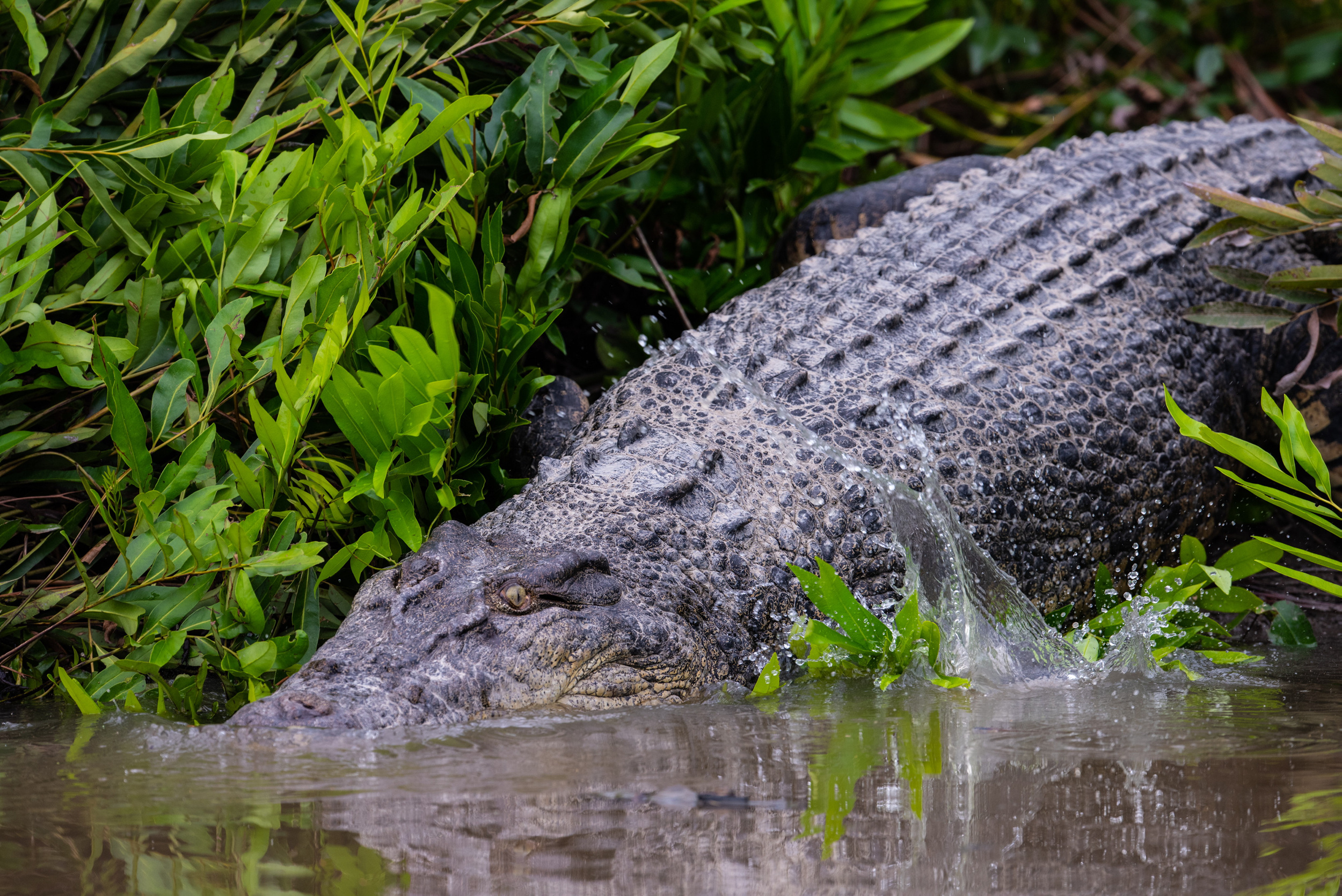
From ancient giants to modern apex predators, there are few animals on this planet that inspire as much awe (and caution) as the mighty crocodile. These powerful reptiles have ruled rivers, wetlands and coastlines for millions of years, surviving mass extinctions and evolving into some of the most formidable predators on Earth.
How have they survived and adapted from existing with dinosaurs, to swimming around in our waterways today? Discover 10 fascinating facts about crocodiles, like their record-breaking bite force and surprising parenting skills that has contributed to their survival and ability adapt to changing global environments.
1. Saltwater crocodiles are the largest reptiles on Earth
The Saltwater crocodile (Crocodylus porosus) is the largest living reptile on the planet. Adult males typically reach 4–5 metres in length and can weigh over 450 kilograms, while rare giants may exceed 6 metres and approach a tonne.
These massive reptiles inhabit rivers, estuaries and coastal waters across northern Australia and Southeast Asia, making them one of the most widespread crocodilian species.
2. Saltwater crocodiles have the strongest bite force of any living animal
Crocodiles are famous for their jaws – and for good reason. The saltwater crocodile has the strongest bite force ever measured in a living animal, reaching around 3,700 pounds per square inch (psi).
To put that into perspective, other powerful predators fall well below:
- Lion – around 650 psi
- Great white shark – about 600 psi
- Spotted hyena – roughly 1,100 psi
- Jaguar – around 1,500 psi, one of the strongest bites among big cats
Even these formidable hunters can’t match the crushing power of a crocodile’s jaws. That incredible force allows crocodiles to grip prey firmly and perform the famous “death roll” to tear food into manageable pieces.

3. Crocodiles can replace thousands of teeth in a lifetime
A crocodile has 60-80 teeth which are constantly replaced throughout its life. When a tooth falls out or breaks, a new one grows in its place – sometimes within just a few months.
Over a lifetime, a crocodile may go through 50 sets during their lifetime – that’s more than 3,000 teeth!
4. There are 26 recognised crocodilian species around the world
Crocodiles belong to a broader group called crocodilians, which includes crocodiles, alligators, caimans and gharials. Today, scientists recognise 26 living species.
These reptiles are found across Africa, Asia, Australia and the Americas, mainly in tropical and subtropical regions where warm climates support their cold-blooded physiology.
Australia is home to two species:
- Saltwater crocodile (Crocodylus porosus)
- Freshwater crocodile (Crocodylus johnstoni)
Globally, crocodilians range from the fish-eating Gharial of India and Nepal – with its long, narrow snout to the powerful American alligator of the southeastern United States in states like Florida and Louisiana.


Image, left: Caiman, Right: Gharial
5. Crocodiles can travel long distances across the ocean
Saltwater crocodiles are the only crocodiles that can survive long journeys at sea, capable of travelling hundreds of kilometres across open ocean. These remarkable creatures have been found up to 1,000 kilometres offshore, often riding tidal currents between coastlines and islands.
6. Crocodiles can survive for months without food
Crocodiles have incredibly slow metabolisms, allowing them to survive for long periods without eating.
A large adult crocodile can go several months without food, and in some conditions even up to a year if necessary. This adaptation helps them survive during cooler months or when prey is scarce.
When food is available, however, crocodiles can eat large meals in one sitting, storing energy in their bodies to sustain them through leaner times.
7. Crocodiles are like living dinosaurs
Crocodiles have existed in some form for more than 200 million years, meaning their ancestors such as sarcosuchus, a ‘supercroc’ that could grow up to 12 m long and ate dinosaurs in its diet, lived alongside dinosaurs.
While ancient crocodile relatives came in many shapes and sizes – including giant land-dwelling predators – the basic crocodile body has remained remarkably successful.
When you see a crocodile today, you’re essentially looking at a lineage that survived the same extinction event that wiped out the dinosaurs.

8. Crocodile mothers are surprisingly caring
Despite their fearsome reputation, crocodiles are attentive parents. Female crocodiles build nests made from vegetation or soil and may lay 20–60 eggs in a single clutch, depending on the species.
When the hatchlings begin to call from inside their eggs, the mother often digs them out and may gently carry them to the water in her mouth.
9. Temperature determines a crocodile’s sex
Unlike humans and most mammals, crocodiles don’t rely on chromosomes to determine sex. Instead, the temperature of the nest during incubation determines whether hatchlings become male or female.
Warmer or cooler nest conditions can influence the sex ratio of an entire clutch, which is why climate conditions can play an important role in crocodile populations. If nest temperatures are less than 30 C, all the babies will be female, 31C will make a mix, and 32–33C will mean mostly males.

10. Crocodiles are expert breath-holders
Crocodiles are superbly adapted for life in the water. When resting underwater, they can stay submerged for at least 8 hours. One dive in a large estuarine crocodile was recorded at 11.5 hours! During these dives, a crocodile’s heart rate slows dramatically – sometimes dropping to as little as 2-3 beats per minute – helping them conserve oxygen and remain hidden from prey.
Dive deeper into the world of crocodiles
Want to discover even more about these incredible predators – from prehistoric giants to the crocs living in Australia and around the world today? Visit Queensland Museum Kurilpa in Brisbane and explore Croc! Lost Giants to Living Legends, on until October 2026. Learn more: museum.qld.gov.au/kurilpa/whats-on/croc/.
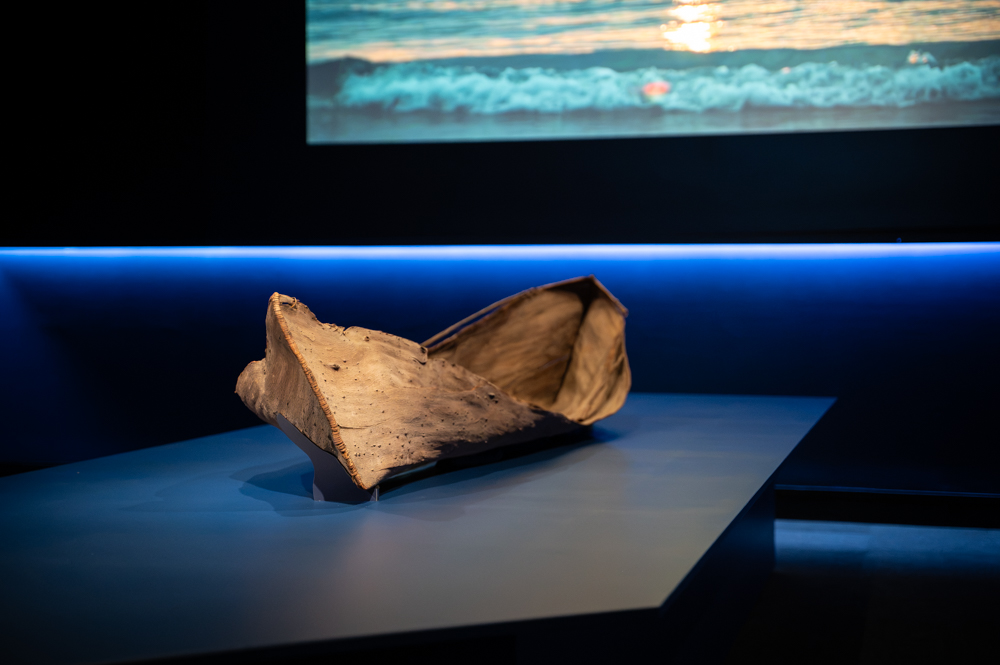
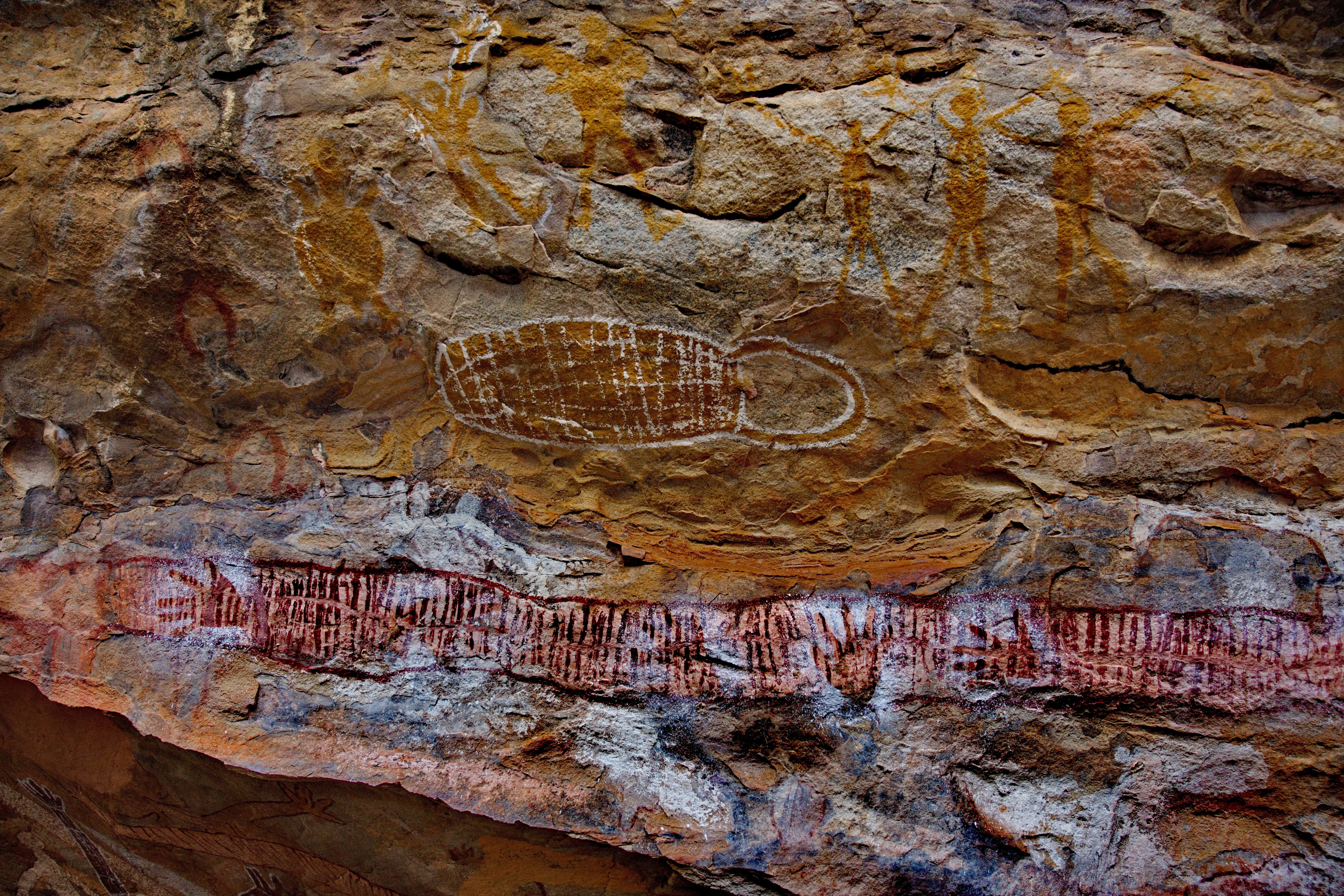
This world-premiere exhibition takes visitors on a journey through millions of years of crocodile evolution, showcasing fossils, croc facts about today’s global species, survival stories, life-sized models, First Nations art and connections and interactive exhibits. From bone-crushing jaws to ancient ancestry, crocodiles remain one of nature’s most extraordinary survivors – and one of Australia’s most iconic animals.


You must be logged in to post a comment.