
Written by Nicholas Hadnutt
The transformation of raw earth into durable objects through the mastery of fire represents one of humanity’s most significant technological leaps. Pottery is not merely a craft; it is a primary technology that fundamentally altered the trajectory of our species. By harnessing the chemical transition of clay – from a plastic, hydrated silicate to a vitrified, ceramic solid – early humans gained the ability to store water, preserve surplus grain, and, crucially, cook food in ways that unlocked new calorific potential. And the development of this technology is still being refined today for many different applications across our world of highly refined and produced objects. The technology has grown from simple hand-shaped objects to the creation of coil-based vessels to the invention of the pottery wheel in Mesopotamia around 4000 BCE, resulting in a huge jump forward in the ability of potters to mass-produce their work – which still contains the personal touches and creativity of the potter.

Across the globe and over a long time period, this development of ceramic production thrived, apparently through independent innovation and by employing different techniques. For example, the discovery of the Xianrendong cave fragments in China suggests that humans were crafting ceramic vessels nearly 20,000 years ago, well before the advent of farming. In the Americas, the Valdivia culture of Ecuador produced sophisticated ceramics by 3500 BCE whilst in north America, the creation of fine shell-tempered ceramics occur in the archaeological record from approximately 1000 CE.

And each culture and region utilised the unique mineralogy of its local clay, leading to a global tapestry of textures – from the grit-tempered utility wares of Northern Europe to the delicate, eggshell-thin burnished vessels of the Mississippi River Valley . As humans experimented with the materials they accessed in their local areas, they also experimented with technologies. As highlighted above, the development of the pottery wheel was a major step forward in ceramic production innovation. Alongside the experimentation with new materials and techniques, potters also experimented with firing their new creations in different types of kilns and, most importantly, with temperature.
Advancements in kiln technology over the past 10 000 years provides us with a great sense of human ingenuity. From simple firing of ceramics in pits at low temperatures through the creation of kilns with firing chambers to facilitate air and temperature flow through to today’s industrial scale electric kilns, humans have continued to innovate the same simple concept of applying temperature to wet clay to create a stable, strong product. And as kilns were innovated to create a tool that enabled more consistent outputs, the efficiency of the kiln was also refined, allowing for higher temperatures to be achieved. Higher temperatures in turn facilitated the uptake of different raw materials. Asian ceramicists innovated a kiln that enabled them to reach firing temperatures exceeding 1300°C. This extraordinary achievement led to the creation of porcelain – a very strong but aesthetically beautiful form of ceramic that became a very tradable commodity with the rest of the world and, particularly, Europe.

Since the discovery of pottery, humans have developed the process from the acquisition of raw materials, the development of tools that enabled them to create a wide variety of ceramics for many purposes and to harness a technology that enables us to use and display beautiful objects that we treasure as well a ubiquitous “things” that we use and discard everyday.
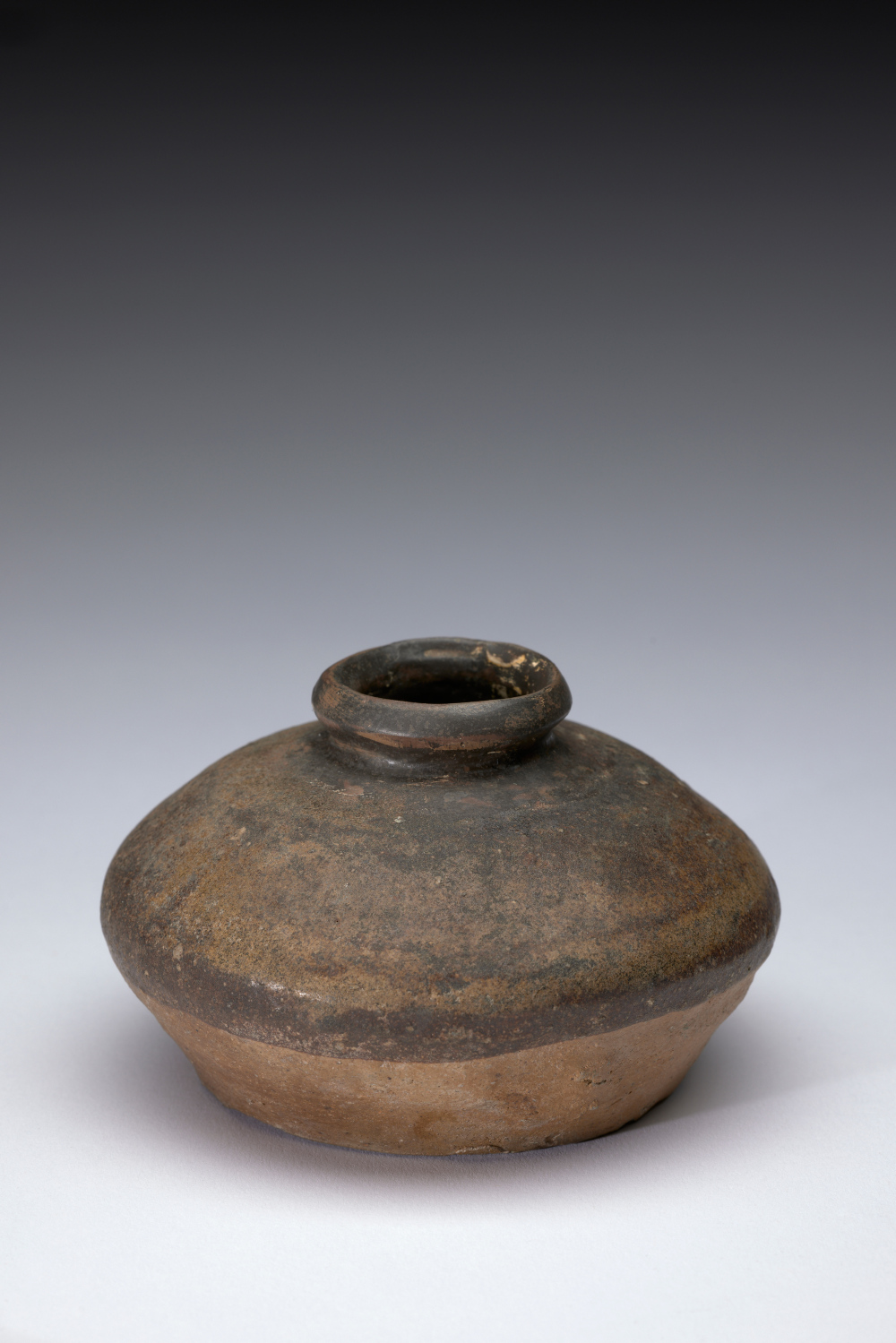
From ancient pottery to delicate porcelain, uncover the global story of ceramics in Fragile and Forever: Ceramics from the Queensland Museum Collection, a free exhibition at Queensland Museum Kurilpa in Brisbane.




You must be logged in to post a comment.