
Written by Nicholas Hadnutt
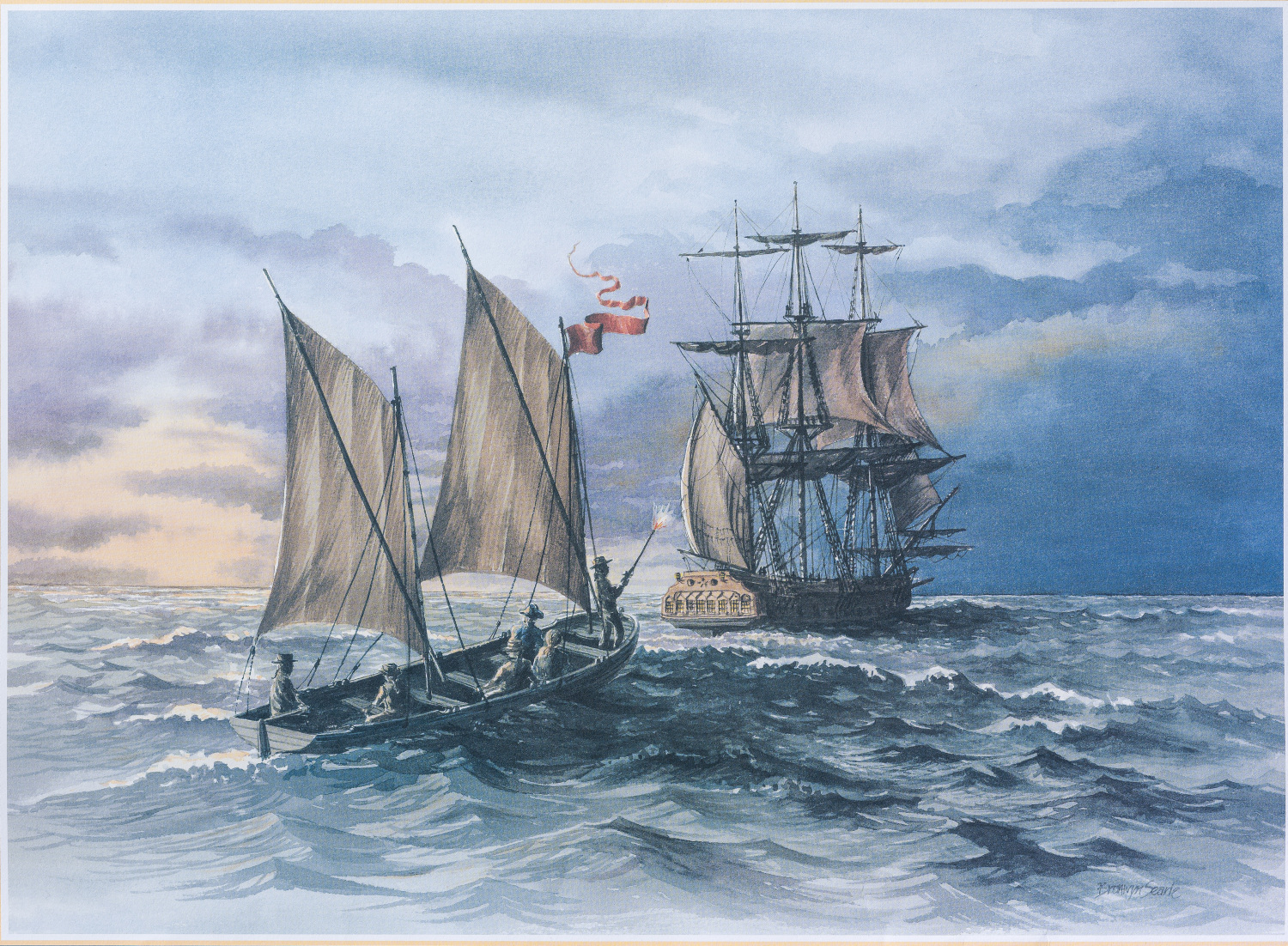
When we think of shipwrecks, our minds usually drift to tragedy, chests of gold doubloons or rusted cannons. But for maritime archaeologists, sometimes the most valuable treasures are those made of clay. The wreck of HMS Pandora provides a fantastic insight into this world.
Sent by the British Admiralty in 1790 to hunt down the famous Bounty mutineers, her mission ended in disaster when she struck the Great Barrier Reef in 1791. For nearly two centuries, she sat undisturbed on the seafloor. When maritime archaeologists finally discovered her, they found an incredibly preserved time capsule of late 18th-century British life. Among the most fascinating discoveries? A vast and broad collection of ceramics.

These weren’t just random dishes used to serve salt beef; they are a perfect, physical mirror of Georgian Britain’s rigid social hierarchy and its exploding consumer culture. On a Royal Navy vessel, who you were completely dictated what you ate from – and the treasure trove of ceramic objects preserved in the Pandora’s wreck demonstrates that divide beautifully.
Down in the officers’ quarters, dining wasn’t just about sustenance; it was a cultural display of status. Archaeologists recovered elegant, fine creamware and pearlware tableware, heavily influenced by innovators like Josiah Wedgwood. Creamware, with its smooth, pale glaze, was the height of polite domestic fashion back in London. The officers on the Pandora brought this trendy “polite society” right to the edge of the known world. Eating off fine tableware signalled that they were gentlemen first, sailors second. It showed that even thousands of miles from home, British refinement and class boundaries had to be maintained at all costs.

Step onto the lower decks where the ordinary seamen lived, and the cultural landscape changes entirely. Here, the ceramics turn rugged and utilitarian. Archaeologists found coarse red-earthenware storage jars and heavy salt-glazed stoneware mugs. This was pottery built to endure the brutal, rolling actions of a warship and her crew. Yet, amidst this working-class grit, there is a fascinating twist: pieces of Chinese export porcelain were also found. In the 18th century, Britain was utterly obsessed with the exotic allure of the East. The British East India Company was flooding Western markets with tea and porcelain. Finding these fragments on the Pandora shows us that global trade networks were so powerful that luxury goods from Asia were trickling down, becoming staples of everyday British life – even among ordinary sailors.
Another amazing discovery from the wreck connects us directly with the lives of the crew and possibly, to particular crew. Amongst the higher status creamware is a number of plates with the letters “C” or “W” roughly scratched on their underside. This expensive tableware and these letters suggest this crockery was used by the commissioned officers and/or the warrant officers – the ones with a “C” were possibly intended for use at the captain’s table and the ones with a “W” for the use of the officers who dined in the wardroom. Whilst some of the crew had surnames that started with these letters, the archaeologists excavating the wreck were careful to pinpoint exactly where each artefact was recovered from and, along with historical documentation of where crew were berthed, they were able to identify that these ceramics came from the rooms that corresponded with the captain’s dining room and the wardroom.

Ultimately, the broken plates and mugs recovered from the Pandora tell a deeply human story. They reveal a society caught between rigid traditional classes and an exciting new world of global commerce. Next time you look at an old ceramic cup, remember that it’s not just a cup – it’s a piece of identity, frozen in time. And, if you are interested in a deeper dive into the ceramics from the Pandora wreck, access the “Memoirs of the Queensland Museum” publication (volume 9), entitled “Pandora Project Stage 2: four more seasons of the excavation of the Pandora historic shipwreck, written by Peter Gesner.
Explore the remarkable stories hidden within ceramic objects in Fragile and Forever: Ceramics from the Queensland Museum Collection, a free exhibition at Queensland Museum Kurilpa in Brisbane:


You must be logged in to post a comment.