
Written by Nicholas Hadnutt
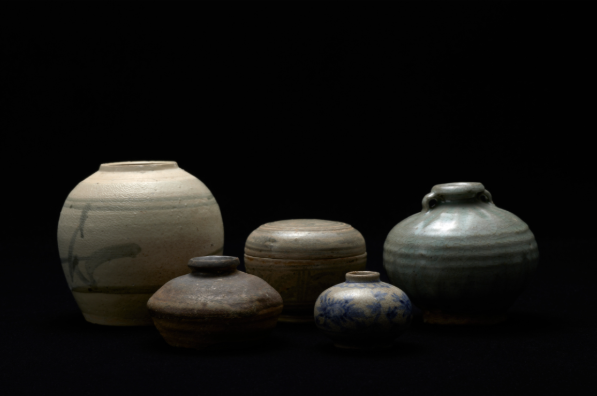
For many hundreds of years, Asia and the “Far East” was an enigma to the western civilisations of Europe. This far-away place was the source of incredible “things” that gripped the European imagination, creating a huge demand for products from Asia. These products included tea, silk, gunpowder, papermaking and printing, and…. porcelain. Due to the great secrecy surrounding the production of these materials, Europeans were well aware of the final products but not the “recipes” required to make them, ensuring billions of dollars (in today’s value) was shipped to Asia to pay for the goods they so tightly controlled.
A great example is porcelain. To the monarchs of Europe and the sultans of the Middle East, porcelain was more than just a ceramic. It was a miraculous material – translucent, attractive and impervious to the scratches of steel. While the West remained trapped in the era of porous, heavy earthenware, Asian master potters, particularly in China and later Japan, were perfecting a craft that would leave the rest of the world in a state of desperate, centuries-long envy.

Chinese ceramicists first discovered the recipe for porcelain during the Tang Dynasty (618–907 CE), when artisans learned the secret chemistry of kaolin (white clay) and petuntse (a historic term for the feldspathic or micaceous rock used in making Chinese porcelain). When fired at temperatures exceeding 1,300°C, kaolin and petuntse vitrified, turning into a never-before-seen pottery. A few hundred years later, under the Yuan Dynasty (1271–1368 CE), the iconic blue-and-white aesthetic emerged within Asian ceramics, fuelled by cobalt imported from Persia (modern Iran).

The global demand for these blue-and-white porcelain wares was staggering. By the 17th and 18th centuries, the Dutch East India Company was shipping millions of pieces of Chinese and Japanese porcelain to Europe. In Europe, porcelain was so highly prized that it became a symbol of absolute status, owned by the elite. In the ultimate flex, King Louis XIV of France used porcelain to build the “Trianon de Porcelaine” – a building constructed near the Palace of Versailles in 1670. The structure comprised five wood-framed pavilions, decorated with blue and white ceramic tiles, and surrounded by formal gardens with extravagant displays of perfumed flowers and is considered to be the first Chinoiserie building in Europe. Chinoiserie is a European ceramic style inspired specifically by east Asian ceramic production and resulting art forms. The Chinoiserie trend in Europe reached its peak in the mid-18th century, in part driven by the inability of the West to access the raw materials and knowledge required to reproduce Asia materials in Europe..
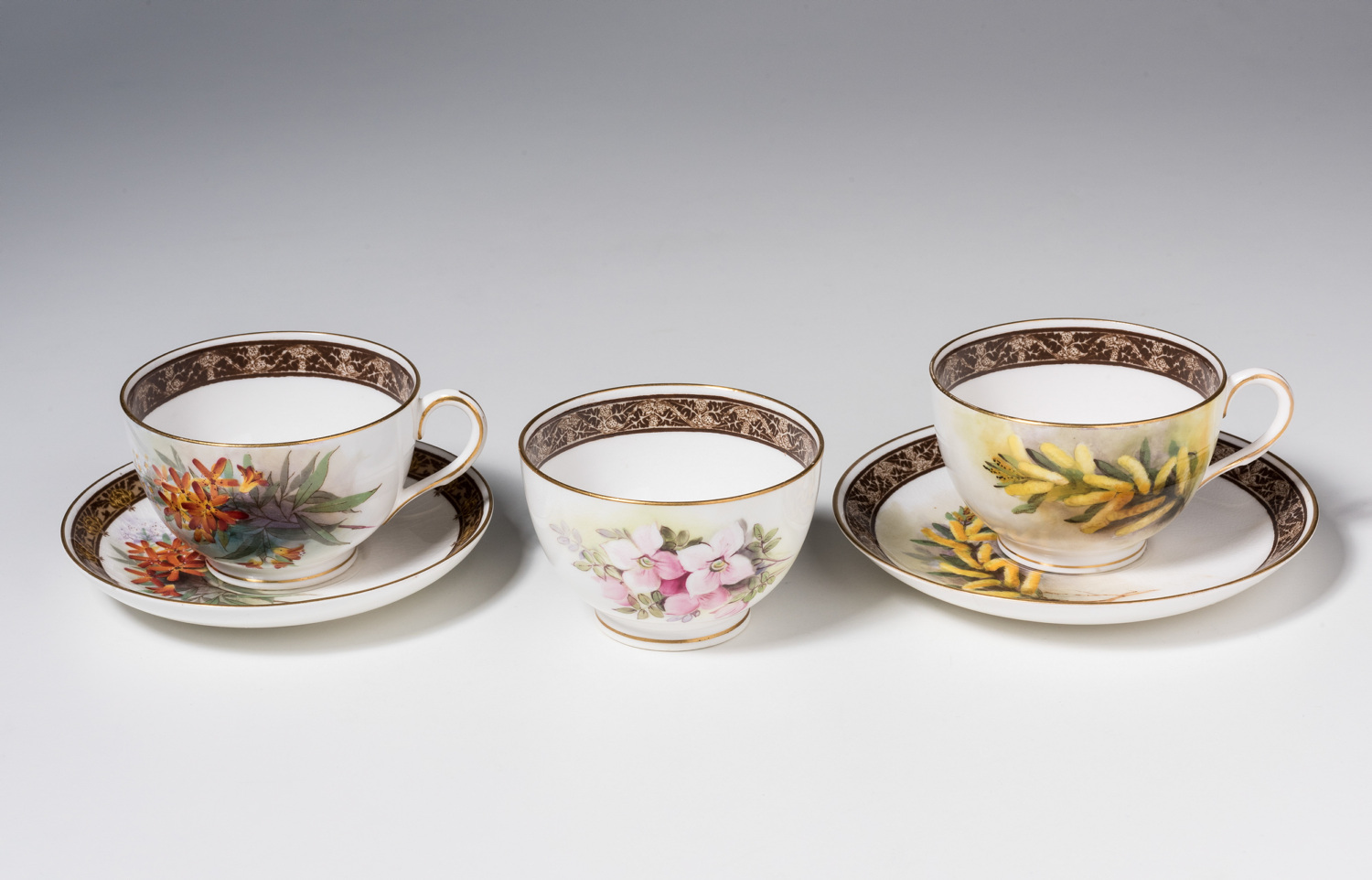
For nearly two hundred years, European alchemists tried and failed to create “true” hard-paste porcelain. They produced “soft-paste” imitations which used tin glazes to mimic the white surface but lacked the durability and translucency of the Asian originals. It wasn’t until 1708 that Johann Friedrich Böttger, working under the Elector of Saxony, finally cracked the code, leading to the creation of Meissen porcelain. Other Europeans had also claimed to be the first to unlock this secret, however, the Meissen factory, established 1710, was the first to produce porcelain in Europe in large quantities with Böttger keeping the recipe a strict trade secret. However, even as European factories began to produce their own wares, the prestige of Asian ceramics remained unmatched.
From the tea ceremonies of Japan to the imperial banquets of the Forbidden City, Asian ceramics were the standard-bearers of sophistication. They were the world’s first truly global luxury commodity, proving that the fusion of earth, fire, and human ingenuity could create a legacy that time and imitation could never fade.

Discover more about ceramics from Asians cultures in Fragile and Forever: Ceramics from the Queensland Museum Collection, a free exhibition now on at Queensland Museum Kurilpa in Brisbane: museum.qld.gov.au/kurilpa/whats-on/fragile-and-forever

Leave a Reply