
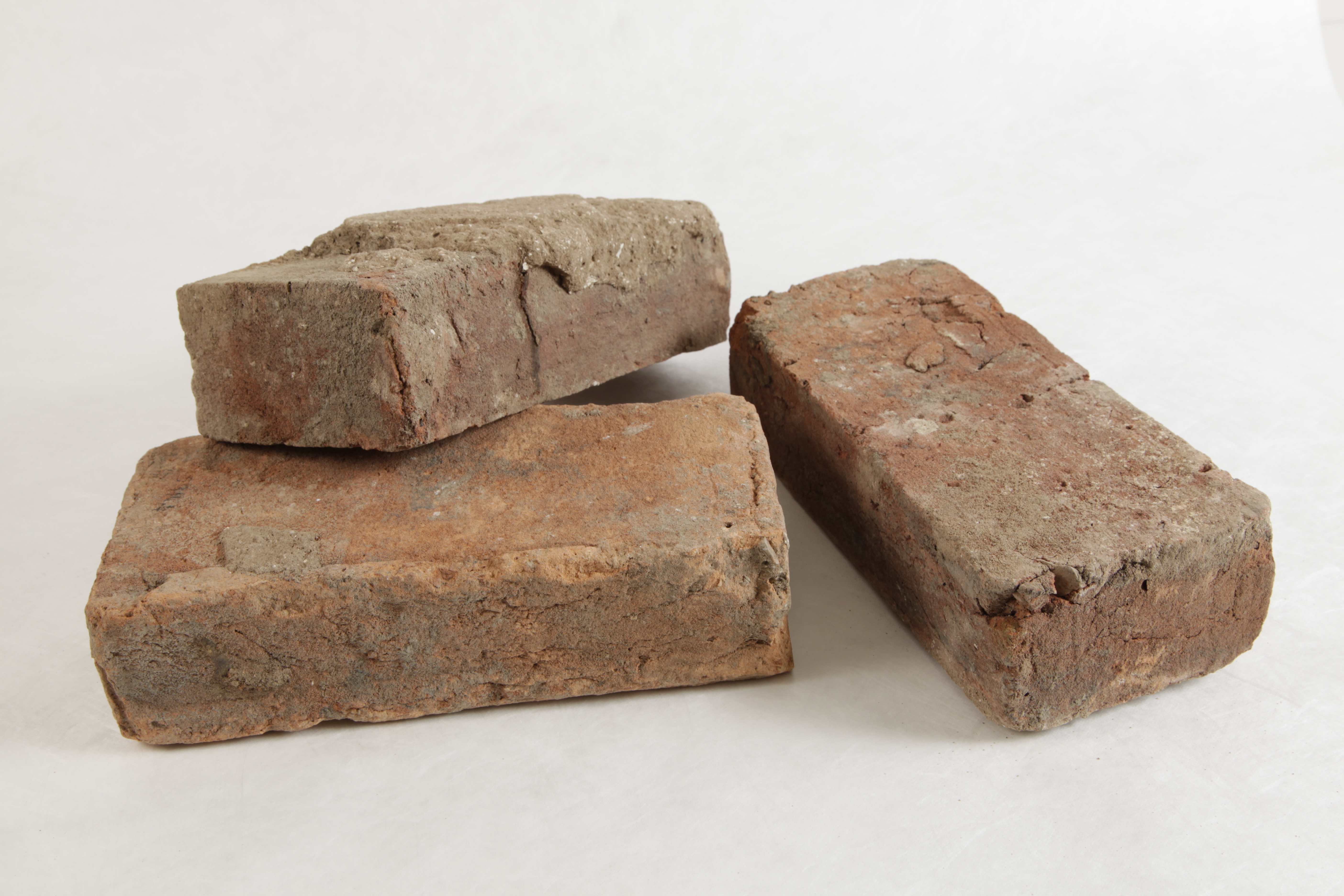
Pottery is so embedded in daily life that we rarely stop to notice it. Ceramic plates grace dinner tables; clay tiles line our rooves; and bricks build our homes. It’s easy when browsing market stalls or visiting exhibitions to see pottery we like or dislike, guided by changing tastes and fashions. And while the styles of the 19th and early 20th centuries might not always suit contemporary sensibilities, the range of choice available – from vintage wares to modern studio ceramics – is often taken for granted.
The situation in Queensland during the mid to late 19th century, however, was vastly different. At that time, pottery produced locally carried significance beyond matters of taste or fashion.
The establishment of pottery “manufactories” in early Brisbane was seen as a boon to locals. Before pottery was produced in Southeast Queensland, residents were at the mercy of shipping schedules and expensive prices – from Sydney and Melbourne, or imports from Britain, Europe and later the Americas. The local manufacture of clay-based building products and domestic wares was seen as a great step forward in the colony’s industrial aspirations and economic development.
Queensland’s earliest commercial potteries were established by Robert Scott around 1857 and George Fischer (Fisher), in 1861. These two competitors worked in the Fortitude Valley area, each using landholdings to set up kilns and clay extraction from the land.
Contemporary newspaper reporting closely linked the development of the pottery industry with broader colonial ambitions. Reporting on the establishment of Scott’s pottery in 1857, the Moreton Bay Courier described it as: “… a manufactory … to furnish utensils for a luxurious and advanced state of society’ The Moreton Courier Dec 19, 1857
While recognised as the first potteries in Queensland, possibly by virtue of the declaration of the colony of Queensland in 1859, there were already bricks and other clay building materials being produced at that time. Prior to Scott and Fisher, in the earliest days of European settlement, claypits were established in inner city Brisbane – including around the Roma Street area. These were used by convicts who had begun making hand-made bricks not long after the establishment of the penal colony on Turrbal country in 1824.1 Andrew Petrie, who arrived in the colony in 1837 as Supervisor of Works at the Moreton Bay penal settlement, oversaw the provision of convict-made bricks, and by 1858, when Brisbane was seeing “free” settlers arriving, his son John Petrie had established Petrie Brickworks around Fortitude Valley in Brisbane.2

Fisher and Scott were, however, the two earliest potteries to venture into the production of domestic wares. George Fisher’s pottery at Breakfast Creek produced earthenware pots and pipes, while Robert Scott’s Fortitude Valley enterprise became known not only for brick-making but also for domestic products such as water filters. Scott’s pottery, which used locally sourced Fortitude Valley clay, closed in 1868. Fisher’s business, however, continued to grow. He later established a pottery works at Albion, which he subsequently sold to James Campbell & Sons around 1885.3

These potteries emerged alongside some of Australia’s earliest commercial ceramic enterprises, including Fowler potteries in Parramatta, founded in 1837, and Bendigo Pottery in Victoria, established in 1858 and regarded as Australia’s oldest working pottery.
Following on from successes in the 1850s and 1860s, a number of long-standing Queensland pottery manufacturers established businesses in Brisbane in the second half on the century. These enterprises formed an important early network of Queensland potteries supplying homes across the state, particularly in the south-east. They included David Fenson, who operated in South Brisbane from 1877 to 1897, and James Campbell & Sons. Originally importers of building materials from Sydney, James Campbell & Sons had established a brickworks at Redbank by the late 1850s and, by the 1880s, were operating a domestic pottery factory in Albion, acquired from George Fisher.

By the 1880s there was also a surge of potteries being developed in the Ipswich area.4 These included the Bognuda Hudson & Company’s Reliance Pottery (1887-1920) located in Dinmore, making bricks and salt-glazed pipes; the West Moreton Pottery Works at Brassall run by R.H.Rogers & Co. from 1885 to around 1898; and the Dinmore Brick & Tile Co., established in 1884, producing drainpipes and bricks but also specialising in domestic pottery.


As the twentieth century approached, companies such as Dinmore Brick & Tile Company, James Campbell & Sons (which continued operating until 1948), and the newer Charles A. Stone & Sons began producing increasingly decorative domestic wares. Stones’ Bristol Pottery operated at Coorparoo in Brisbane from around 1894 until 1956. Run by Charles Stone and his sons, the studio produced a variety of domestic pottery items. They were soon recognised for the artistry of their products and in the 20th century developed more characterful designs, including Toby jugs, biscuit containers in the shape of animals, and art-deco inspired table ware and tea pots.

Manufacturing in the new colony of Queensland required both skills and raw materials. The production of newly styled ceramics, influenced by colonial and later design traditions and featuring both utilitarian and distinctive decorative elements, conveys the artistry of pottery made in 19th century Queensland. This tradition continues today with Queensland-based ceramic artisans delivering their own unique pieces.
Showcasing the development of domestic ceramics reveals shifting stylistic fashion, and the artistry of early Queensland potteries. But spare a thought for the earliest days of the settlement, where making bricks was an achievement, the advent of pottery “manufactories” was a much-sought-after advancement, and where the establishment of creative and artistic influences for domestic pottery took decades to develop.
We are fortunate to have an amazing collection of products from early Queensland pottery represented at Queensland Museum. Come along and seek out those early Queensland ceramics and see how artisans and workshops evolved in their skill and range of products.
Explore Fragile and Forever: Ceramics from the Queensland Museum Collection, a free exhibition at Queensland Museum Kurilpa; museum.qld.gov.au/kurilpa/whats-on/fragile-and-forever
1 Virginia Bricks | House Histories
2 Dornan, D. and Cryle, D. (1992) The Petrie Family: Building Colonial Brisbane. University of Queensland Press: St Lucia, Qld.; East, J.W (2020) ‘A Study of the Victorian Architecture of Brisbane’s Principal Thoroughfare’, unpublished manuscript held at UQ Espace UQ24981bc_OA.pdf; BCC Local Heritage Places, Citation Dahlow View PDF
3 Hicks, D (2025) (2) Old Brisbane Album | **Early Stamps and the “Fisher” Marking: Reassessing George Fischer’s Beginnings** | Facebook
4 Ford, G. (2004). Ipswich Potteries 1873-1926, Ipswich Art Gallery, Ipswich.



You must be logged in to post a comment.