

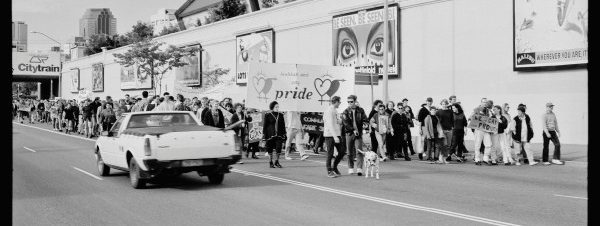
In December 1990, Queensland reached a turning point. After decades of activism, resistance and courage from LGBTQIA+ communities and allies, homosexuality was decriminalised in the state – a moment that marked not just a change in law, but a shift in visibility, identity and belonging that continues to shape Queensland today.
Queensland was the second last state behind Tasmania to decriminalise homosexuality, and under the Criminal Code, consensual sexual activity between men was punishable by lengthy prison sentences. These laws didn’t just criminalise acts – they criminalised lives, relationships and self-expression, forcing many people to live in secrecy or fear. Yet even in the face of repression, communities formed, voices grew louder and resistance took shape.
The road to reform
The push for decriminalisation gained momentum in the 1970s and 1980s, driven by grassroots activism and growing public debate. Groups such as the Campaign Against Moral Persecution (CAMP) and later the Gay Solidarity Collective Queensland challenged discriminatory laws and worked to create safe spaces for connection and advocacy.
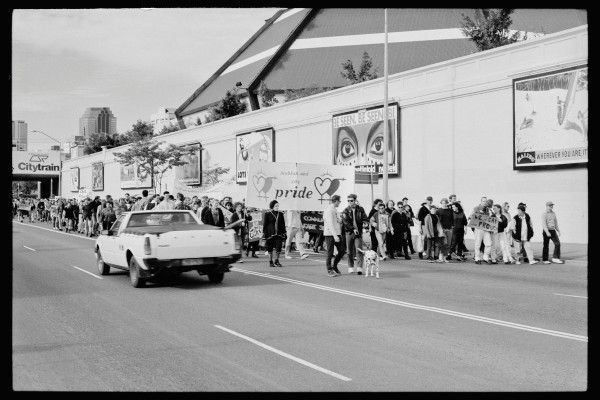
One of the most significant flashpoints came in 1989, when hundreds of people demonstrated outside Parliament House in Brisbane calling for law reform, drew national attention and highlighted the stark contrast between Queensland’s laws and changing social attitudes elsewhere in Australia.
Brisbane’s first Pride events were held in 1990 by the Lesbian and Gay Pride Collective, bringing around 500 people together for rallies, marches and cultural events. More than celebrations, these deliberately political acts of visibility asserted identity and demanded equal rights, helping shift public attitudes and build momentum toward legal reform.
A pivotal election and the law changes
The election of the Goss Labor Government in late 1989 proved pivotal. With new political leadership and sustained community pressure, the Queensland Parliament passed legislation in December 1990 to decriminalise homosexuality. The reforms took effect on 19 January 1991, removing consensual homosexual acts between adults from the Criminal Code.
For many, it was a moment of relief, validation and hard-won recognition – one delivered not by elites alone, but through years of collective effort grounded in community organising, public protest, and rising visibility.

Beyond the law
While decriminalisation removed the threat of imprisonment, it did not immediately erase stigma or discrimination. The early 1990s remained a complex time for queer communities: marked by the ongoing HIV/AIDS crisis, social conservatism, and the long process of changing hearts as well as laws.
But it was also a period of creative expression, visibility and self-fashioning. As legal barriers fell, new possibilities emerged — to be seen, to be bold, to experiment with identity and to claim space in public life.
Fashion, nightlife and personal style became powerful tools of expression. What people wore — in clubs, on the street, at protests and parties carried meaning. Clothing signalled belonging, defiance, joy and pride. It was a way of saying: we are here.
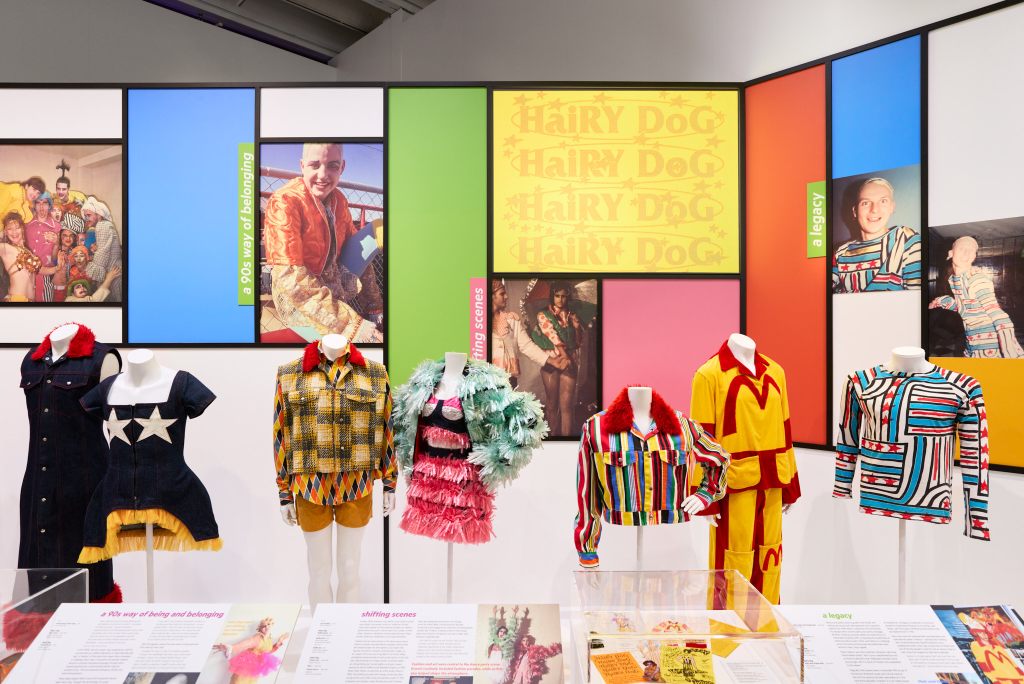
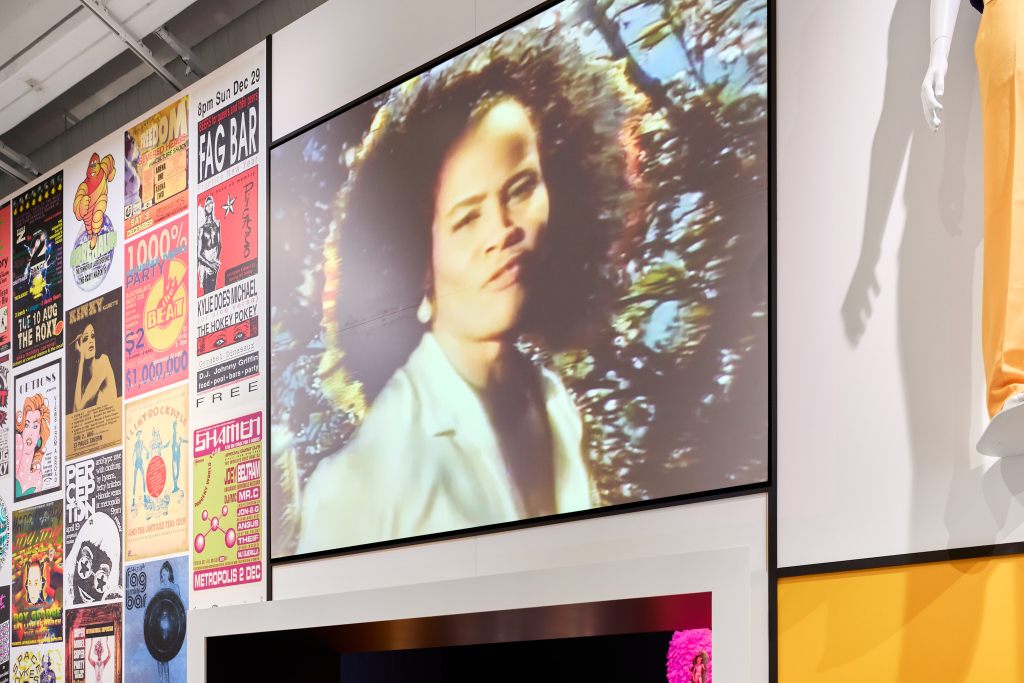
Make a Scene: Fashioning Queer Identity and Club Culture in the 90’s exhibition at Queensland Museum, by Markus Ravik
Making a scene in the 90s
This spirit is explored in Make a Scene: Fashioning Queer Identity in the 90s, on until 19 July 2026 at Queensland Museum. The exhibition looks at how the queer community in Brisbane used fashion as a form of storytelling and self-definition during a decade of enormous social change.
The 1990s sit at a crucial intersection — after decriminalisation, but before full equality. It was a time when queer identity was increasingly visible yet still contested. Through garments, photographs and personal stories, Make a Scene highlights how fashion became both armour and celebration: a way to navigate newfound freedoms while pushing against lingering boundaries.
Seen through this lens, decriminalisation is not just a legal milestone, but a catalyst. It opened doors for expression, community and creativity, even as the fight for acceptance continued.
Make a Scene is free and open daily, 9:30am – 5pm: museum.qld.gov.au/kurilpa/whats-on/make-a-scene

 Queensland Museum Blog
Leave a comment