

Australia is home to two remarkable crocodile species — the freshwater crocodile and the saltwater crocodile — each with their own unique behaviours, adaptations and histories. While they may look similar at first glance, these ancient reptiles are surprisingly different once you take a closer look. Here’s how to tell them apart, and why both are vital to Australia’s ecosystems.
Meet the Saltie: Australia’s Saltwater Crocodile
Known as the world’s largest living reptile, the saltwater crocodile (Crocodylus porosus) — or saltie — is the apex predator of northern Australia. They live in freshwater too, but are more commonly associated with estuaries, mangroves and coastal habitats. Saltwater crocodiles are distributed in Northern Australia, and in Queensland may be encountered in the sea or any coastal waterway from Rockhampton north. Individuals are occasionally seen as far south as the Mary River (Gympie) and their distribution may extend further south because of climate change. Globally, you’ll find saltwater crocs on islands of the western Pacific, India, south-east Asia, and New Guinea.


Image L – R: Saltwater Crocodile, Jeff Wright. Saltwater Crocodile, Gary Cranitch
Key Characteristics
- Size: Males commonly reach 4–5 metres, with some giants exceeding 6 metres.
- Temperament: Territorial and powerful. Saltwater crocs are responsible for most crocodile-related incidents in Australia and all recorded fatalities
- Diet: Anything they can catch — A broad range of crustaceans, fish, reptiles, birds and mammals. Large crocodiles can overpower large mammals such as pigs, horses and cattle. Humans are also occasionally taken.
- Habitat: Coastal rivers, swamps and lagoons, and sometimes far out to sea.
- Breeding: As many as 60 hard-shelled eggs are laid in a mound of vegetation and soil during the wet season. These take around three months to hatch and are guarded by the female throughout this time.
Saltwater crocodiles are extraordinary survivors, ruling waterways with tremendous strength, speed and explosive power. Their ability to move between salt and fresh water gives them a remarkable ecological advantage.
Meet the Freshie: Australia’s Freshwater Crocodile
Found across northern Australia in rivers, billabongs, and freshwater wetlands, the freshwater crocodile (Crocodylus johnstoni) — affectionately called a freshie — is the smaller, more slender cousin of the saltwater crocodile.


Image L – R: Freshwater Crocodile, Gary Cranitch, Freshwater Crocodile, Bruce Cowell.
Key Characteristics
- Size: Usually grows to 2–3 metres, with a narrow snout perfect for catching fish.
- Temperament: Generally shy and avoids conflict with humans. Freshies will usually flee before fighting.
- Diet: A broad range of crustaceans, fish reptiles, birds and small mammals.
- Habitat: Prefers freshwater environments but can tolerate brackish water.
- Breeding: Around 20 eggs are laid during the dry season in a hole dug into a sandbank.
Freshwater crocodiles have lived in Australia for millions of years and are uniquely adapted to quiet inland waterways. Their long, narrow jaws help them snap up fast-moving fish with precision.
How to Tell Them Apart
While both species share classic crocodilian features, a few key differences make identification easier:
Scales
- The most definitive way to tell the species apart is that freshwater crocs have four large scales behind its head which are not present in the saltwater crocodile.
Snout Shape
- Freshwater crocs: Thin, pointed snout
- Saltwater crocs: Broad, robust snout built for tackling larger prey
Size
- Salties are much larger — often double or triple the size of freshies.
Body Build
- Freshies: Slender and agile
- Salties: Stocky, heavily armoured, with a massive head
Teeth
- Freshies have finer teeth suited to catching small prey.
- Salties possess thick, powerful teeth designed to crush and hold large animals.


Where Do Their Worlds Meet?
In northern Queensland, Western Australia and the Northern Territory, freshies and salties overlap in habitat. Freshies usually avoid salties and stick to shaded creeks or upstream waterholes, while salties dominate larger rivers, estuaries and coastlines.
This coexistence has shaped each species’ behaviour and survival strategy for thousands of years.
Crocodiles, Culture & Conservation
For First Nations peoples across northern Australia, crocodiles hold deep cultural significance — as totems, creators, teachers and protectors. Understanding and respecting both species is essential not only for ecological balance, but for preserving cultural knowledge that spans tens of thousands of years.
Conservation measures implemented in the 1970s allowed crocodile populations to recover after severe decline. Today, both species remind us how resilient and vital they are to the health of Australia’s waterways.
See Crocs Up Close at Queensland Museum
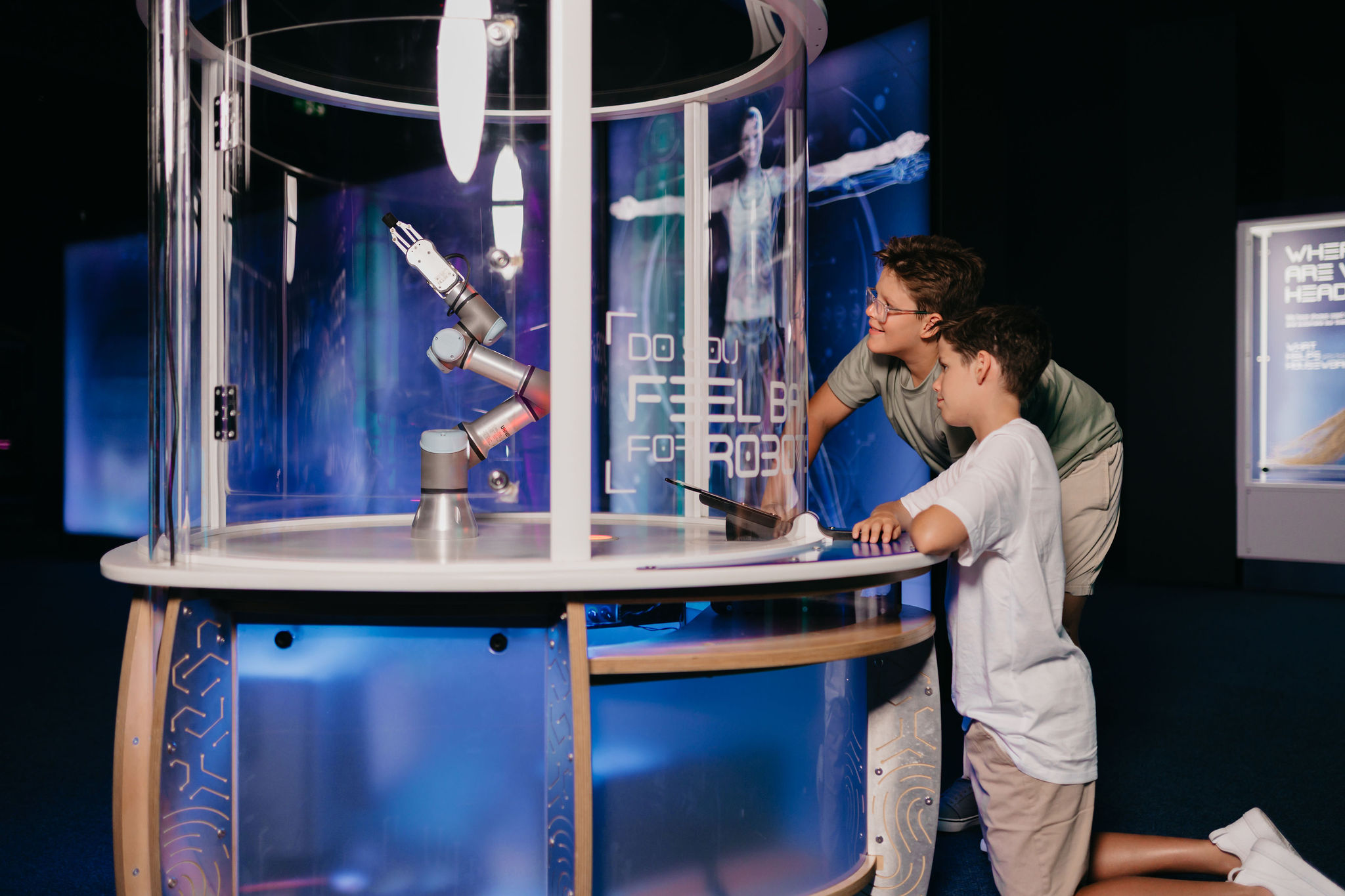
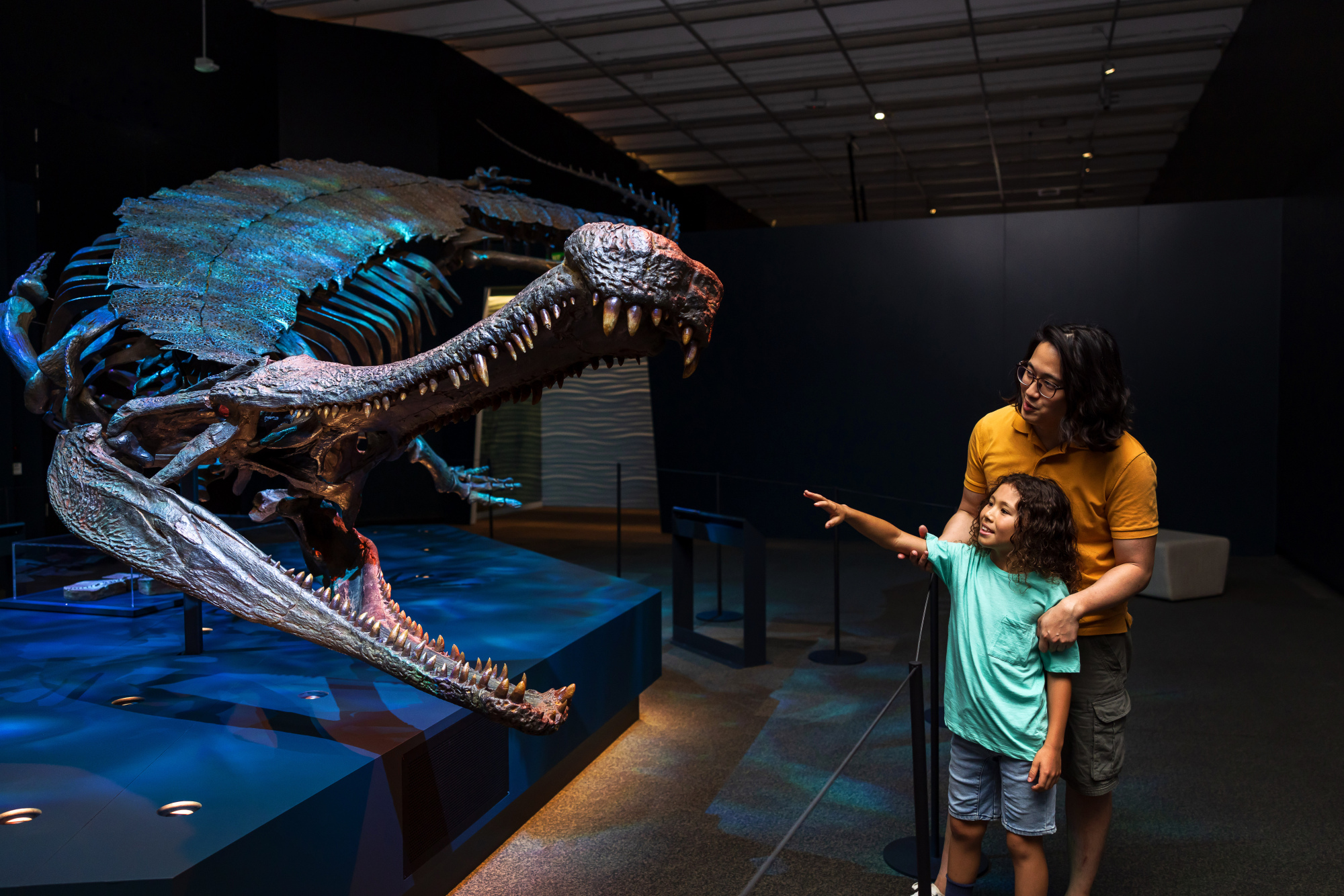
Visitors to Croc! Lost Giants to Living Legends can explore the world of crocodiles through science, culture, and history — including skeletons, specimens, artworks, and stories that bring these incredible reptiles to life. From freshwater finesse to saltwater power, both species take centre stage in understanding Australia’s living giants. Croc! is open daily 9:30am – 5pm until October 2026, tickets on sale now, museum.qld.gov.au/kurilpa/whats-on/croc


Image, left: Explore the interactive exhibits in Croc! to discover more about the differences between freshwater and saltwater crocodiles.
Image, right: Meet ‘Sweetheart’, a 5.1m taxidermy saltwater crocodile from Darwin, Northern Territory.
You must be logged in to post a comment.