


To celebrate the release of Queensland Museum’s new guide, Spiders of Brisbane, we chatted with lead author Dr Michael Rix, Principal Scientist and Curator of Arachnology.
What is the scientific study of spiders?
Arachnology is the scientific study of arachnids (members of the class Arachnida) and encompasses the specialised fields of araneology (the study of spiders) and acarology (the study of mites). Scientists who study arachnology are arachnologists. The field of arachnology incorporates many sub-disciplines within the biological sciences, including systematic biology (the study of taxonomy and evolutionary biology), ecology, behavioural ecology, molecular biology (including genetics) and biochemistry, among others.
Appreciating the staggering variety of arachnids requires detailed understanding of their diversity, classification, life histories, behaviour and ecology. Cutting-edge biochemistry research by arachnologists is also unlocking the potential of arachnid venom compounds and silk for use in drug discovery and engineering.
What got you into arachnology?
I first became interested in spiders at age 10 or 11, after a life-changing encounter with a small ant-mimicking jumping spider. Up until that point I had a deep interest in Australian frogs and herpetology, and broad interests in natural history more generally. During this fateful encounter I noticed what I thought was an ant running around on a bucket, but when it abseiled down the side of the bucket on a line of silk, I realised something was amiss!

I had to find out more, and soon became enthralled with everything spider-related. My intense childhood interest was supported by everyone around me, and I’ve never looked back since!
What’s the best place to see spiders in Brisbane?
In short, everywhere! Subtropical Brisbane is a great place to see a wide variety of different spiders, and urban backyards in summer are full of interesting species. The Brisbane Botanic Gardens Mount Coot-tha are an excellent location to see conspicuous orb-weaving spiders and jumping spiders, and of course Brisbane’s significant natural areas are full of native wildlife in their natural habitats.
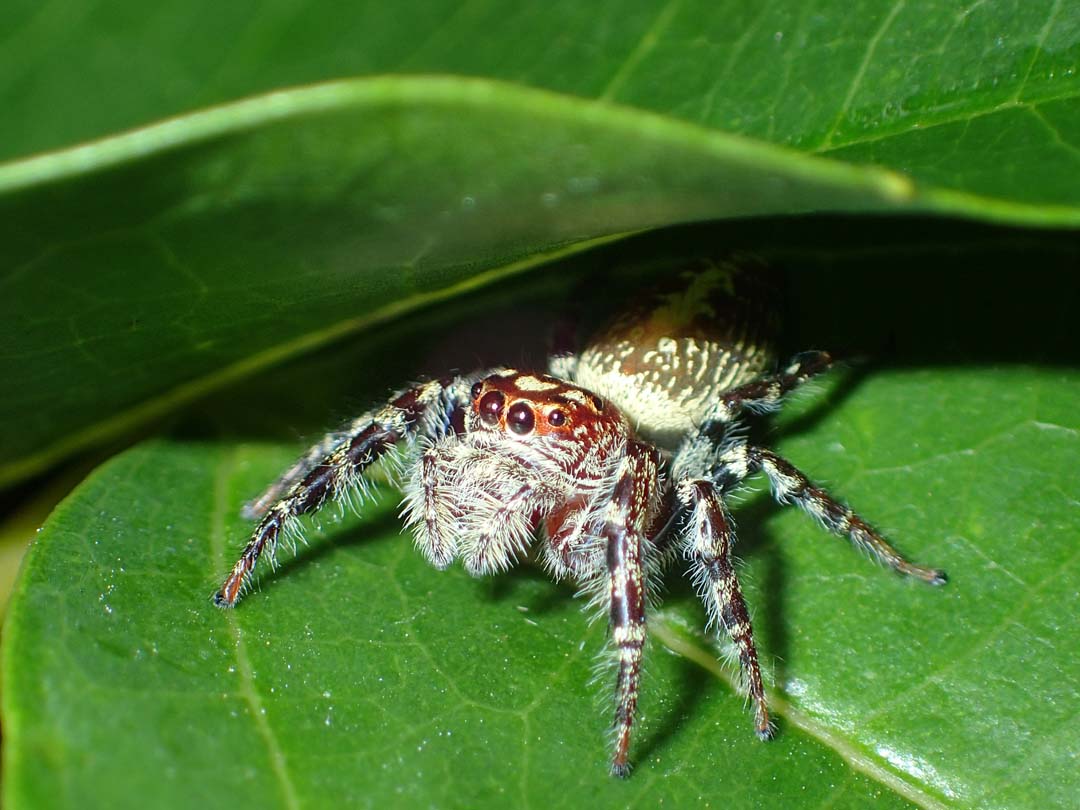

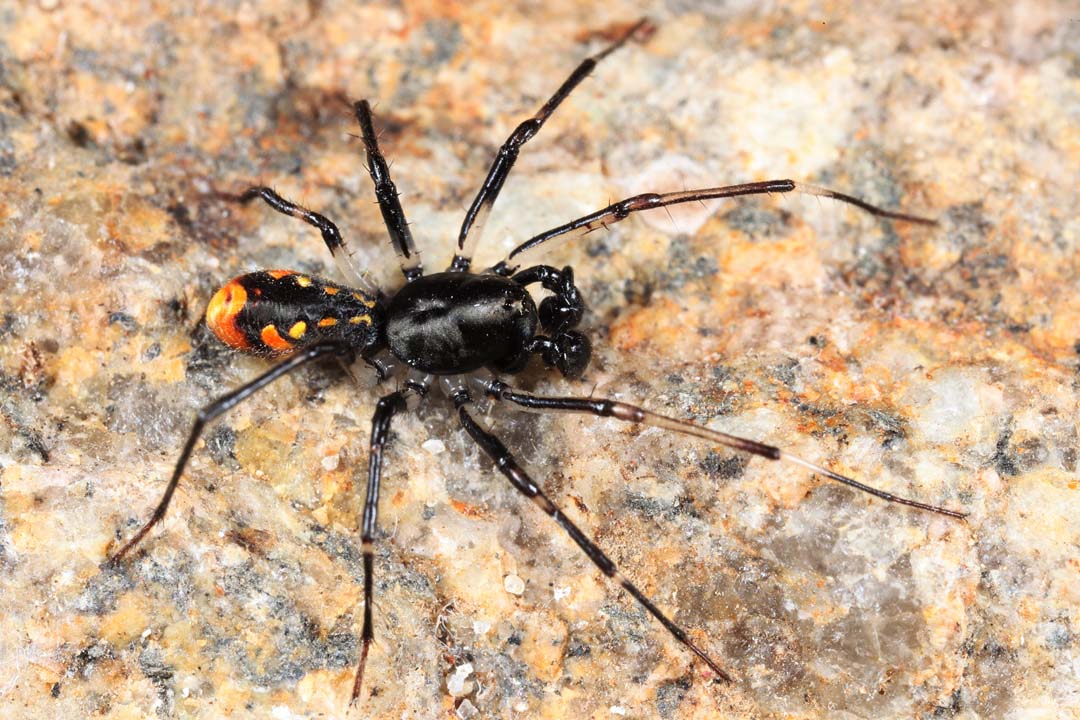
Images L-R: Garden Jumping Spider, Opisthoncus quadratarius, female. © Michael Rix; Two-spined Spider, Poecilopachys australasia, female. © Greg Anderson; Davies’ Ant Spider, Subasteron daviesae, male. © Greg Anderson.
Why do spiders seem more active and abundant in summer?
Spiders are present all year round, but it is during the warmer summer months in eastern Australia when many araneomorph spiders mature and reproduce. Adults of physically larger and more obvious groups (such as orb-weaving and huntsman spiders) are particularly noticeable during summer.
In Brisbane, when warm temperatures are also accompanied by higher rainfall, spider populations respond to an increased abundance of their insect prey. In contrast, during the cooler months when temperatures, rainfall and insect activity are lower, many araneomorphs are represented only by smaller juvenile individuals or egg sacs. This annual sequence of growth, maturation and reproduction is all part of the natural seasonal cycle.

What’s your favourite fact about spiders?
I think perhaps the fact that spiders have existed on Earth for more than 300 million years is a profoundly sobering thought. This is long before dinosaurs evolved in the Triassic, and is really an impossibly long time for humans to comprehend. Spiders are, undoubtedly, of the great evolutionary success stories in the history of life on Earth.
What’s the best way to get involved if you are interested in arachnology?
Numerous people all around Australia have a deep interest in and appreciation of spiders and other arachnids. The best way to get involved is to head outside and observe the natural world. There are many excellent resources to help identify common spiders, and in this era of digital photography anyone interested can take amazing macro images of different species in their own backyards.
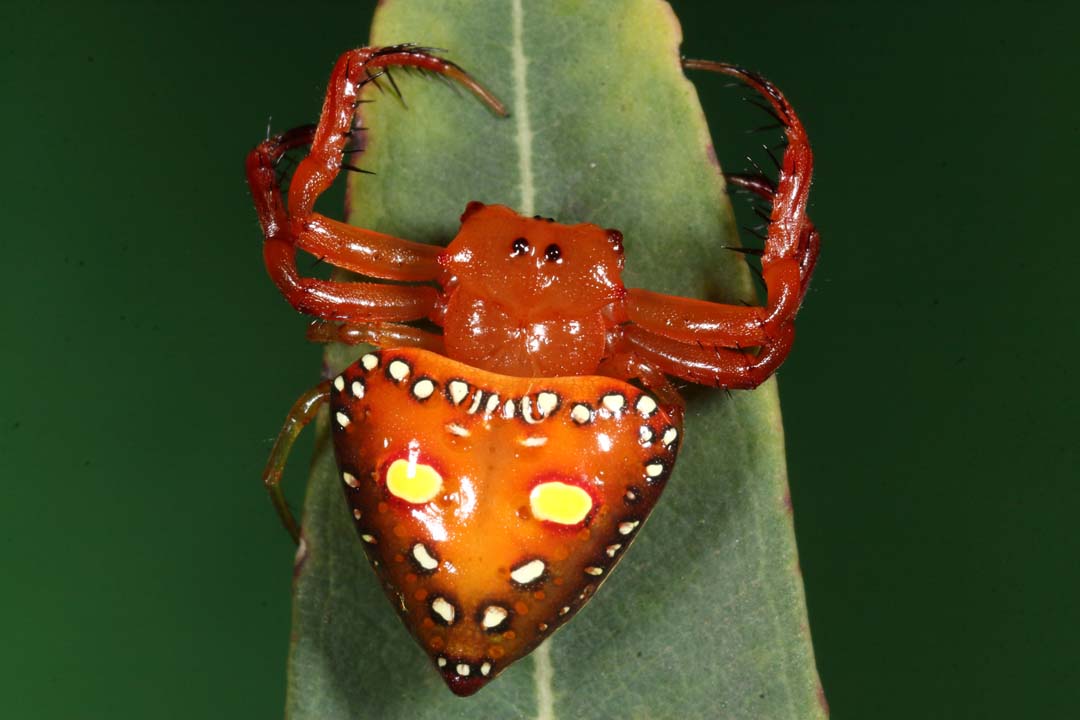


Images L-R: Triangular Spider, Arkys lancearius, female. © Greg Anderson; Orange-legged Swift Spider, Nyssus coloripes, female. © Greg Anderson; Golden Trapdoor Spider, Euoplos similaris, burrow with trapdoor propped open. © Michael Rix; Magnificent Bolas Spider, Ordgarius magnificus, female in retreat. © Greg Anderson; Red and Black Spider, Oncodamus decipiens, male in web. © Michael Rix.
Widespread use of the citizen science platform iNaturalist has blossomed in the last decade, and it is an excellent way of sharing natural history data and recording where different species occur. There are also multiple scientific and natural history societies for people to join and connect with like-minded individuals, and for those focused on pursuing a scientific career in arachnology, post-graduate study in the biological sciences is the necessary pathway.
Is there a photo you wished you could have included in the book?
I would like to have included one of my favourite spiders in the family Archaeidae. Archaeid spiders are known as Assassin Spiders or Pelican Spiders, so named because they are specialist predators of other small spiders, and because they have an enormously enlarged cephalothorax with elongate mouthparts, giving them a pelican-like profile in lateral view.
They are an ancient lineage represented by Jurassic fossils, and are today known only from mainland Australia, Madagascar and southern Africa (although they were formerly more widespread throughout the world). They are rare and highly restricted rainforest animals in eastern Queensland, and include a number of species in Australia that are listed threatened species.
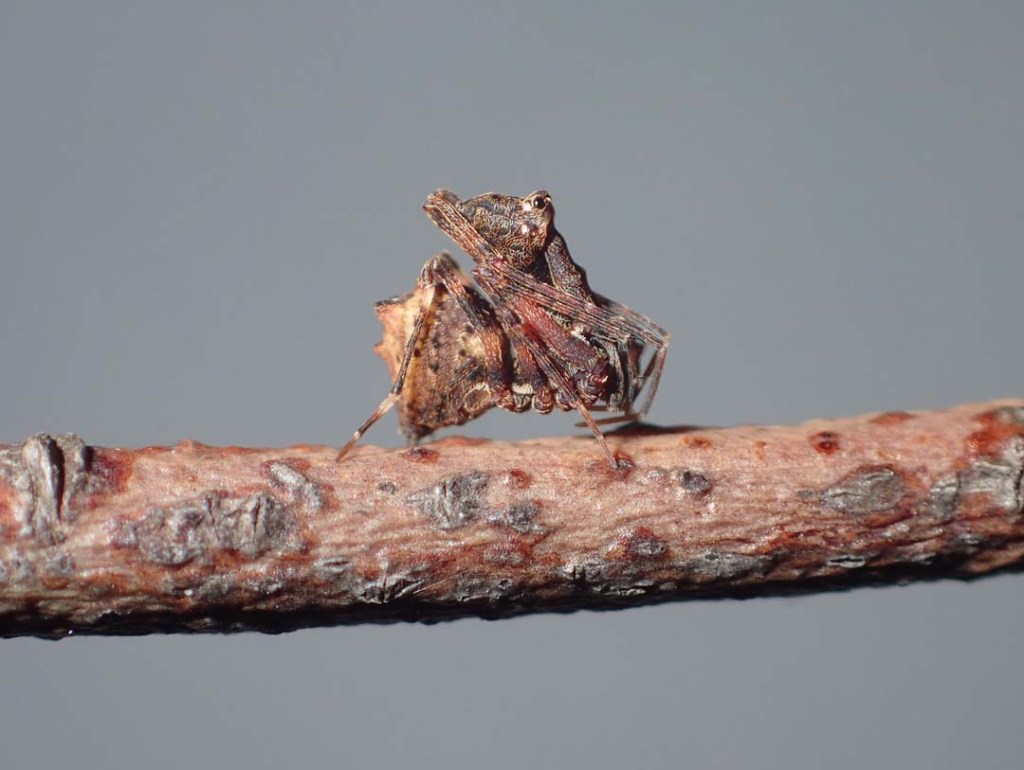
Two species can be found around Brisbane, in rainforest on the D’Aguilar Range (Austrarchaea raveni) and on Mount Tamborine (A. dianneae). Unfortunately, due to space requirements and the fact that few people have ever seen one alive, they did not make the cut for Spiders of Brisbane!
Grab your copy of Spiders of Brisbane from the QM Shop today. Shop online or visit us in-store on Level 2 of Queensland Museum Kurilpa and explore our range of Queensland Museum publications.
Spiders are among the most familiar and diverse invertebrate animals, with a worldwide distribution in most terrestrial habitats. Although maligned and widely misunderstood, they are undoubtedly one of nature’s great evolutionary success stories. This pocket-sized guide includes more than 90 species accounts covering nearly 30 families of spiders found in Brisbane and surrounds.



 Queensland Museum Blog
You must be logged in to post a comment.